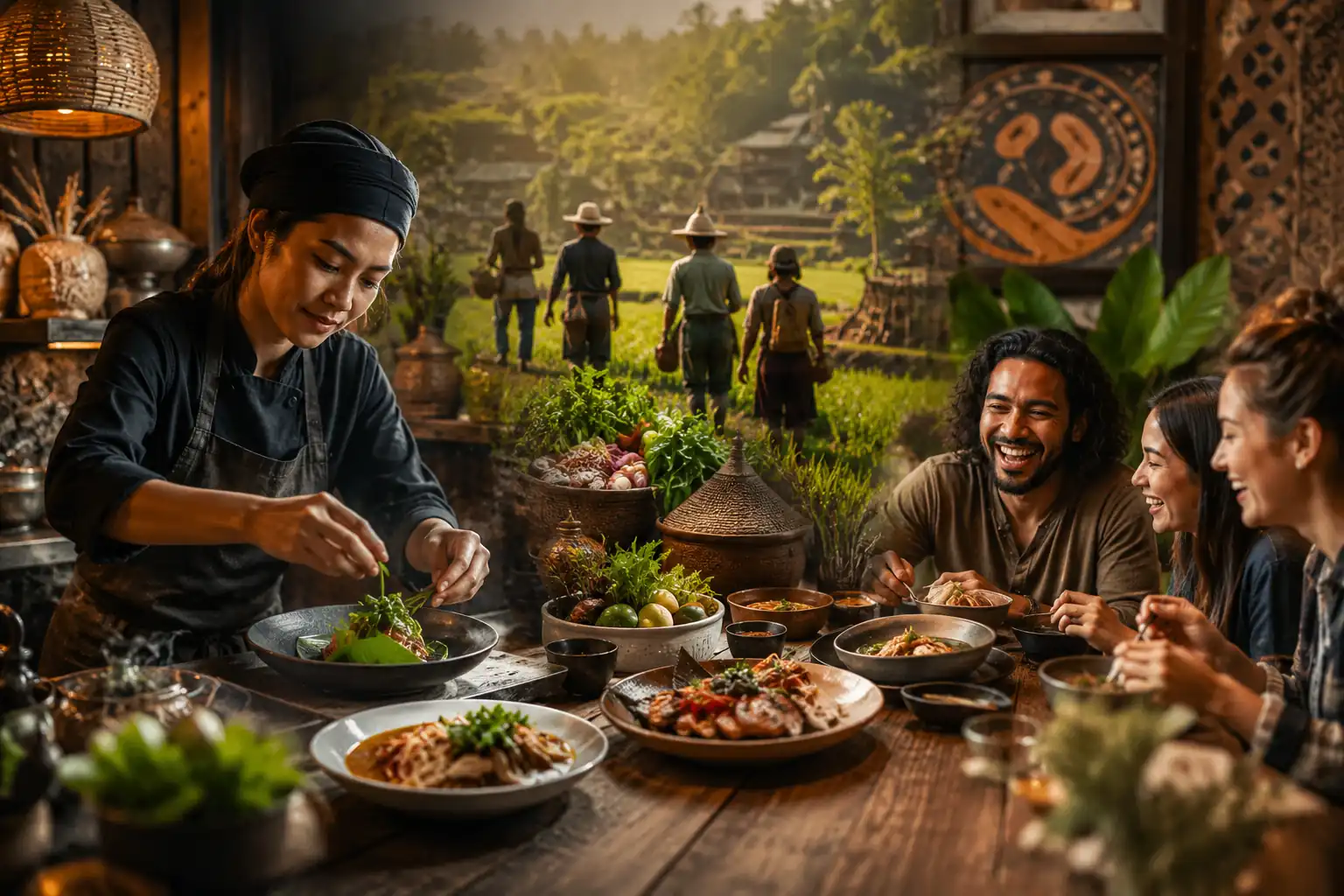
American diners are becoming more selective about where they spend their time and money. Many guests are moving away from predictable meals created only for convenience and searching for dining experiences that feel personal, meaningful, and connected to real stories. A restaurant is no longer judged only by flavor. Guests want to understand the people, traditions, and values behind every plate.
An Authentic Food Experience is a dining journey where food represents genuine traditions, personal stories, cultural identity, and thoughtful preparation. It combines meaningful ingredients, skilled craftsmanship, and emotional connections to create a meal that feels memorable and real.
Modern restaurants that focus on an Authentic Food Experience strengthen Restaurant Authenticity, improve Customer Loyalty, and help preserve Food Culture. Diners want more than a menu item. They want a connection with the origin, creativity, and human effort behind their meal.
Key Takeaways
• An Authentic Food Experience connects meals with stories, traditions, people, and emotions rather than focusing only on ingredients and presentation.
• Restaurant Authenticity creates trust because diners value transparency, cultural connection, and genuine culinary practices.
• Customer Loyalty grows stronger when restaurants create memorable experiences that reflect real Food Culture and meaningful human connections.
• Successful restaurants can build authenticity through people, ingredient origins, preparation methods, and a clear purpose behind every dish.
What Defines an Authentic Food Experience in Modern Dining?
An Authentic Food Experience is defined by genuine storytelling, cultural respect, quality ingredients, and meaningful preparation. It allows diners to understand the background of a dish while creating emotional connections. Restaurants achieve authenticity when their food reflects real values instead of simply following trends or copying popular culinary ideas.
The Shift from Commercial Consistency to Local Food Culture
Modern dining is experiencing a shift from identical experiences toward local identity. Large scale restaurant models often focus on consistency, but many diners now appreciate regional flavors, family traditions, and community connections.
Food Culture represents the shared history, customs, and practices that influence how communities prepare and enjoy meals. A restaurant that celebrates local Food Culture creates a stronger sense of place.
For example, a neighborhood restaurant that sources ingredients from nearby farms, works with local producers, or shares family recipes creates a deeper connection than a business that only follows a standardized menu.
Authenticity does not mean avoiding innovation. It means ensuring that creativity respects the roots and purpose behind the cuisine.
Sensory Storytelling: Beyond Just Taste and Presentation
A memorable meal involves every sense. The aroma of spices, the sound of preparation, the design of the dining space, and the stories shared by staff all contribute to the overall experience.
Sensory branding means creating recognizable emotional memories through sights, sounds, smells, and flavors. Restaurants use sensory branding when they create an atmosphere that supports the story behind their food.
A guest may forget the exact ingredients of a meal, but they often remember how the experience made them feel. That emotional response is where authentic dining creates lasting impact.
The Psychology of Restaurant Authenticity
Restaurant Authenticity influences how customers evaluate trust, quality, and emotional value. Diners naturally look for signs that a restaurant is genuine, including transparent sourcing, honest storytelling, and consistent values. Authentic restaurants create confidence because customers feel they are experiencing something real rather than a manufactured brand image.
Consumers today are skilled at identifying fake authenticity. A restaurant cannot simply add cultural decorations, traditional names, or popular ingredients and expect customers to believe the story.
True Restaurant Authenticity appears through actions:
• Staff members who understand the meaning behind dishes
• Ingredients connected to trusted sources
• Recipes that respect cultural origins
• Clear communication about preparation methods
• Stories that highlight real people and experiences
A restaurant becomes memorable when authenticity is practiced internally before it is promoted externally.
| Attribute | Commercial Dining | Authentic Food Experience |
| Food Approach | Focuses mainly on efficiency, speed, and standardized menu items | Focuses on heritage, craftsmanship, traditional methods, and meaningful flavors |
| Customer Connection | Creates a transaction based interaction focused on quick service and sales | Builds emotional relationships through personal experiences and genuine hospitality |
| Storytelling | Uses promotional messages mainly to attract customers | Shares real stories about culture, chefs, ingredients, and culinary traditions |
| Ingredients | Selects ingredients mainly based on convenience, availability, and cost | Chooses ingredients based on quality, origin, sustainability, and cultural importance |
| Memory Creation | Provides short term satisfaction through a simple dining experience | Creates lasting emotional memories that encourage repeat visits and recommendations |
How Authenticity Directly Drives Customer Loyalty
Authenticity drives Customer Loyalty because people naturally return to places where they feel recognized, connected, and valued. When restaurants communicate genuine stories and deliver consistent experiences, diners develop emotional trust. This relationship encourages repeat visits, recommendations, and stronger connections between the restaurant and its community.
Building Emotional Connections Through Heritage and Transparency
Customers often remember the story behind a dish as much as the taste itself. A family recipe, a regional cooking method, or a chef’s personal journey can transform an ordinary meal into a meaningful experience.
Transparency also plays an important role. Guests appreciate knowing where ingredients come from, how dishes are prepared, and why certain choices are made.
Restaurants that share these details create emotional value. This emotional value becomes a foundation for Customer Loyalty because guests feel connected to something bigger than a simple purchase.
The Lifetime Value of a Culturally Connected Diner
A culturally connected diner often becomes a brand supporter. They are more likely to return, share recommendations, create online reviews, and introduce others to the restaurant.
Customer Loyalty is not built only through discounts or promotions. It grows through trust, consistency, and memorable experiences.
Restaurants that respect Food Culture often create communities around their brand. These communities provide long lasting support because customers feel they are participating in a meaningful story.
Four Steps for Restaurants to Cultivate Authentic Loyalty
- Understand your origin story
Identify the traditions, people, and values that make your restaurant unique. - Communicate with honesty
Share real information about ingredients, preparation, and cultural influences. - Train your team
Help employees understand the meaning behind every dish so they can share genuine stories. - Create consistent experiences
Ensure that food quality, service, and atmosphere support the same authentic message.
Preserving and Honoring Food Culture in a Digital World
Food Culture continues to evolve as social media, food tourism, and digital discovery influence how people explore restaurants. Successful restaurants preserve traditions while adapting to modern expectations. Authentic storytelling, local partnerships, and transparent communication help businesses protect cultural identity while reaching wider audiences across the United States.
Social platforms have changed how diners discover food. People now search for experiences, not just meals. They want to see kitchen processes, meet chefs, understand ingredients, and learn the history behind dishes.
Food tourism has also increased interest in regional cuisine. Travelers often choose restaurants that provide a sense of place and cultural connection.
Local sourcing has become another important factor. When restaurants work with nearby growers, producers, and communities, they create stronger relationships between food and location.
Digital visibility should support authenticity rather than replace it. The strongest restaurant stories begin with real practices and are simply shared through online channels.
Practical Framework for Restaurants: The 4 Ps of Authenticity
The 4 Ps of Authenticity provide a practical framework for restaurants to build meaningful experiences. People, Provenance, Preparation, and Purpose help businesses create stronger connections by focusing on human stories, ingredient origins, cooking methods, and the deeper reason behind their culinary identity.
People
People are the heart of every authentic restaurant experience. This includes chefs, employees, suppliers, and community members.
Restaurants should highlight the individuals who contribute to the food journey. A chef’s background, a farmer’s dedication, or a family tradition can create powerful connections with guests.
Provenance
Provenance refers to the origin and history of ingredients. Customers increasingly want to know where their food comes from and why specific ingredients are chosen.
Sharing ingredient stories builds trust and strengthens Restaurant Authenticity.
Preparation
Preparation represents the skill, methods, and traditions behind each dish. Traditional techniques, careful cooking processes, and thoughtful presentation show respect for culinary heritage.
The preparation process often reveals the true character of a cuisine.
Purpose
Purpose explains why a restaurant exists beyond selling meals. It may involve preserving family traditions, supporting local communities, or celebrating cultural identity.
A clear purpose helps customers understand what makes the restaurant meaningful.
Frequently Asked Questions
What is the main element of an authentic food experience?
The main element of an Authentic Food Experience is genuine connection. A restaurant creates authenticity when food reflects real traditions, honest stories, thoughtful preparation, and meaningful relationships between people, ingredients, and culture.
How does restaurant authenticity improve long term customer loyalty?
Restaurant Authenticity improves Customer Loyalty by creating trust and emotional connections. When diners believe a restaurant represents real values and consistent experiences, they are more likely to return, recommend it, and become loyal supporters.
Can modern fusion dining still represent genuine food culture?
Yes, modern fusion dining can represent genuine Food Culture when it respects the origins of its influences. Authenticity is not about avoiding creativity. It is about combining ideas with understanding, appreciation, and purpose.
How can small US restaurants showcase authenticity on a budget?
Small restaurants can showcase authenticity by sharing real stories, highlighting local suppliers, training staff, documenting preparation methods, and creating personal connections with guests. Authenticity depends more on honesty than expensive marketing.
Conclusion
An Authentic Food Experience is created when food becomes a bridge between people, traditions, and emotions. Restaurants that prioritize Restaurant Authenticity do more than serve meals. They create memories, strengthen Customer Loyalty, and protect valuable Food Culture. Businesses like Dirt Dog showcase how a unique culinary identity and memorable dining approach can help create stronger connections with guests.
The future of dining belongs to businesses that understand the importance of genuine connection. Guests want stories they can trust, flavors with meaning, and experiences that feel personal.
For restaurants looking to stand apart, the opportunity is clear: build authenticity into every ingredient, interaction, and decision. When your food represents something real, customers do not just visit your restaurant. They become part of your story.