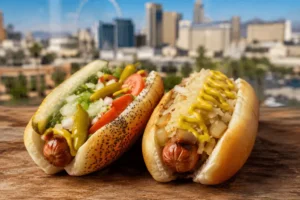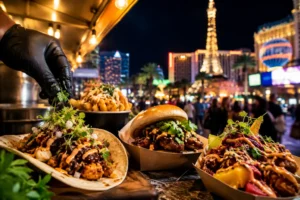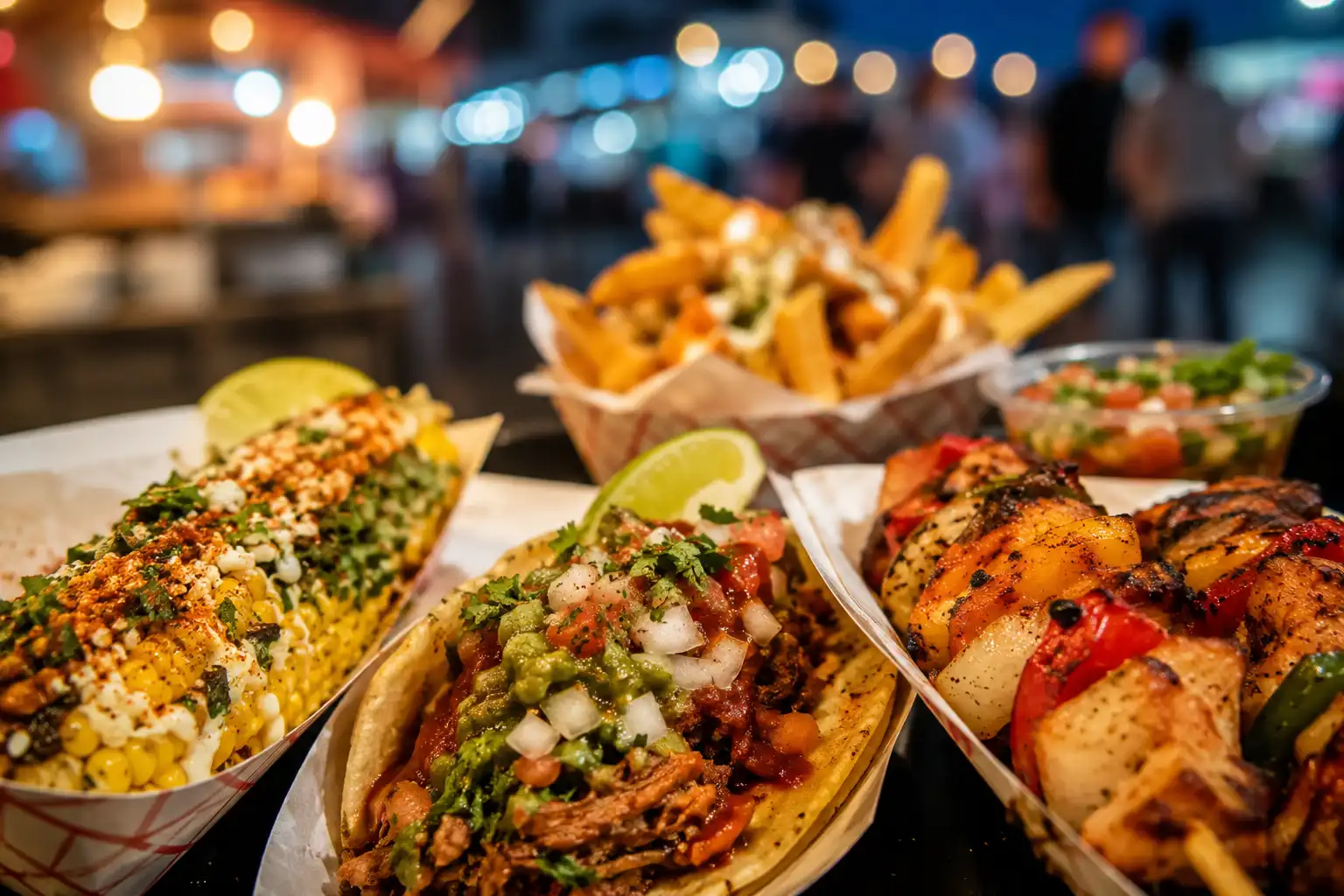
Street food is more than a quick meal. It is a mix of culture, creativity, and science. Whether you’re grabbing a loaded hot dog on the Las Vegas Strip or exploring food trucks across Nevada, the most memorable dishes often have one thing in common: exceptional flavor combinations.
But why do certain ingredients taste so good together? Why does a spicy topping work perfectly with something sweet? And how do chefs and street food vendors create dishes that keep customers coming back?
The answer lies in the science of taste, aroma, texture, and food pairing. Understanding these principles helps explain why some street food dishes become local favorites while others fade away.
For food lovers in Las Vegas and Nevada, exploring the science behind flavor combinations offers a new appreciation for the creativity behind every bite.
Key Takeaways
- Flavor combinations work because taste, aroma, texture, and chemistry interact to create balanced eating experiences.
- Successful food pairing often combines contrasting or complementary flavors such as sweet and spicy or salty and acidic.
- Las Vegas street food thrives on innovative flavor combinations inspired by cultures from around the world.
What Are Flavor Combinations?
Flavor combinations refer to the way different ingredients work together to create a unified taste experience.
Every food contains compounds that contribute to:
- Taste
- Aroma
- Texture
- Mouthfeel
When these elements interact successfully, the result is a dish that feels balanced and satisfying.
Scientists studying food have found that our brains process flavor through multiple senses simultaneously. What we perceive as flavor is actually a combination of:
| Component | Function |
| Taste | Sweet, salty, sour, bitter, umami |
| Aroma | Smell molecules detected by the nose |
| Texture | Crunchy, creamy, crispy, chewy |
| Temperature | Hot and cold sensations |
| Appearance | Visual cues that affect expectations |
This combination explains why a street food dish can seem exciting even before the first bite.
Why Do Certain Foods Taste Better Together?
The science behind successful flavor combinations often comes down to balance.
Humans naturally enjoy foods that combine different sensations without allowing one flavor to overpower the others.
Some classic examples include:
- Sweet and salty
- Spicy and cooling
- Rich and acidic
- Crunchy and creamy
- Smoky and tangy
Street food vendors frequently use these pairings because they create memorable eating experiences.
For example:
- Grilled onions add sweetness to savory meats.
- Fresh lime balances rich proteins.
- Spicy sauces become more enjoyable when paired with creamy toppings.
The goal is harmony rather than competition.
How Does Food Pairing Work?
Food pairing is the practice of matching ingredients that complement one another through shared flavor compounds or contrasting characteristics.
Researchers have discovered that ingredients often work well together when they contain similar aromatic molecules.
For example:
- Chocolate and coffee share hundreds of flavor compounds.
- Tomatoes and basil contain complementary aromatic elements.
- Beef and mushrooms both deliver strong umami notes.
However, successful food pairing does not always require matching compounds.
Many popular dishes rely on contrast instead.
Examples include:
- Sweet honey with spicy peppers
- Salty fries with sweet sauces
- Rich cheese with acidic pickles
Street food vendors often combine both strategies to create exciting menus.
What Role Does Taste Play in Flavor Combinations?
The human tongue recognizes five primary tastes:
- Sweet
- Salty
- Sour
- Bitter
- Umami
Each taste contributes something different.
Sweet
Sweetness provides comfort and balance.
Common street food ingredients include:
- Caramelized onions
- Honey sauces
- Sweet peppers
Salty
Salt enhances other flavors and increases overall taste intensity.
Examples include:
- Seasoned fries
- Sausages
- Pickled toppings
Sour
Acidity brightens heavy foods.
Popular examples:
- Lime juice
- Vinegar slaws
- Pickled vegetables
Bitter
Bitterness adds depth and complexity.
Found in:
- Charred vegetables
- Certain herbs
- Dark sauces
Umami
Umami creates savory richness.
Examples include:
- Beef
- Cheese
- Mushrooms
- Fermented ingredients
The best flavor combinations typically balance multiple taste categories at once.
Why Is Aroma So Important?
Studies show that aroma contributes a large portion of what humans perceive as flavor.
When you eat, aromatic compounds travel from your mouth to receptors in your nose.
This process creates flavor complexity.
Consider a street hot dog loaded with:
- Grilled onions
- Bacon
- Jalapeños
- Cheese sauce
The aromas from each ingredient combine before you even take a bite.
Without smell, many foods would taste surprisingly bland.
This is why street food vendors often grill ingredients in open-air environments where aromas attract customers from a distance.
How Does Texture Affect Flavor Perception?
Texture plays a major role in customer satisfaction.
Even when ingredients have excellent taste, poor texture can reduce enjoyment.
Popular texture combinations include:
- Crispy and creamy
- Crunchy and soft
- Juicy and crunchy
- Tender and crispy
Street food excels at texture contrast.
Consider these examples:
| Texture Contrast | Example |
| Crunchy + Soft | Hot dog with crispy onions |
| Crispy + Creamy | Fries with cheese sauce |
| Tender + Crunchy | Grilled meat with slaw |
| Juicy + Crispy | Sausage with toasted bun |
Texture keeps every bite interesting.
Why Are Sweet and Spicy Flavor Combinations So Popular?
One of the most successful flavor combinations in modern street food is sweet and spicy.
This pairing works because sweetness helps reduce the intensity of heat while allowing spicy flavors to remain noticeable.
Popular ingredients include:
- Honey
- Brown sugar
- Sweet barbecue sauce
- Jalapeños
- Chili peppers
- Hot sauces
The contrast creates excitement without overwhelming the palate.
Many Nevada street food vendors use this approach to create signature dishes.
How Does Umami Improve Street Food?
Umami is often called the fifth taste.
Scientists identified umami as a distinct taste because it creates savory depth that other tastes cannot provide.
Foods rich in umami include:
- Beef
- Bacon
- Cheese
- Mushrooms
- Tomatoes
Street food vendors often layer multiple umami ingredients together.
For example:
- Grilled sausage
- Melted cheese
- Bacon topping
This creates a rich flavor experience that feels satisfying and memorable.
What Makes Las Vegas Street Food Unique?
Las Vegas has become a destination for culinary innovation.
The city’s diverse population and tourism industry encourage experimentation with global ingredients and bold flavors.
Common influences include:
- American cuisine
- Mexican cuisine
- Korean cuisine
- Middle Eastern cuisine
- Asian fusion cooking
This diversity leads to creative food pairing opportunities rarely found elsewhere.
Examples include:
- Korean-inspired hot dogs
- Mexican street-style toppings
- Fusion sauces
- Gourmet sausage creations
These combinations showcase how flavor science and cultural creativity work together.
How Do Street Food Vendors Develop New Flavor Combinations?
Creating successful flavor combinations often involves experimentation.
Many vendors follow a process similar to professional chefs.
Step 1: Choose a primary flavor
Examples:
- Beef
- Pork
- Chicken
- Plant-based protein
Step 2: Add supporting tastes
Consider:
- Sweetness
- Saltiness
- Acidity
- Heat
Step 3: Introduce texture
Examples:
- Crispy onions
- Fresh vegetables
- Crunchy slaws
Step 4: Test customer reactions
Real-world feedback helps refine recipes over time.
The most successful street food dishes often result from dozens of small adjustments.
What Can We Learn From Global Street Food?
Street food traditions worldwide demonstrate how universal flavor science can be.
Mexico
Popular combinations include:
- Lime
- Chili
- Salt
Thailand
Common pairings:
- Sweet
- Sour
- Salty
- Spicy
Korea
Frequently combines:
- Heat
- Fermentation
- Sweetness
United States
Popular mixes include:
- Smoky flavors
- Rich meats
- Tangy sauces
Although ingredients differ, the underlying principles of flavor combinations remain remarkably similar.
Are Flavor Preferences Universal?
Not entirely.
Research shows that biology influences taste preferences, but culture also plays a significant role.
Factors include:
- Childhood experiences
- Regional cuisines
- Family traditions
- Exposure to different foods
However, certain patterns appear consistently across cultures.
Most people enjoy:
- Balanced sweetness
- Moderate saltiness
- Rich umami flavors
- Pleasant texture contrasts
This explains why many successful street food concepts appeal to a broad audience.
The Future of Flavor Combinations in Street Food
Food innovation continues to evolve.
Emerging trends include:
- Global fusion recipes
- Plant-based ingredients
- Fermented foods
- Functional ingredients
- New spice blends
Advances in food science are helping chefs better understand why certain ingredients work together.
As a result, future street food menus will likely become even more creative.
Consumers are increasingly looking for unique experiences rather than traditional meals alone.
This demand encourages vendors to push flavor boundaries while maintaining balance and accessibility.
Why Understanding Flavor Science Matters
Knowing the science behind flavor combinations can enhance how we experience food.
Whether you’re a customer exploring Las Vegas street food or a business owner developing menu items, understanding the principles behind food pairing provides valuable insight.
Successful dishes rarely happen by accident. They result from careful consideration of:
- Taste
- Aroma
- Texture
- Temperature
- Cultural influences
Together, these elements create memorable food experiences that keep people coming back.
For anyone exploring Nevada’s vibrant street food scene, paying attention to these details can transform an ordinary meal into something truly unforgettable. At Dirt Dog, the passion for bold flavors and creative street food experiences reflects many of the same scientific principles that make great flavor combinations so satisfying.
FAQ: Flavor Combinations and Street Food
1. What are flavor combinations in street food?
Flavor combinations are ingredient pairings that work together through taste, aroma, texture, and food chemistry to create a balanced and enjoyable eating experience.
2. Why is food pairing important in street food?
Food pairing helps ingredients complement each other, improving taste, texture, and overall customer satisfaction while creating memorable dishes.
3. What are the most common flavor combinations used in street food?
Popular combinations include sweet and spicy, salty and sweet, rich and acidic, smoky and tangy, and crunchy with creamy textures.
4. How does food pairing influence customer preferences?
Effective food pairing creates balance and excitement, making dishes more enjoyable and encouraging repeat purchases.
5. Why are flavor combinations important for Las Vegas street food vendors?
Las Vegas diners often seek unique culinary experiences. Creative flavor combinations help vendors stand out in a highly competitive food scene.
Conclusion
The science behind great street food goes far beyond simply combining ingredients. The best flavor combinations are built on a careful balance of taste, aroma, texture, and contrast, creating memorable experiences that keep people coming back for more. From sweet and spicy pairings to rich umami-packed creations, every successful dish reflects principles that food scientists and chefs have studied for years.
As the street food scene in Las Vegas and Nevada continues to evolve, innovative food pairing techniques will remain at the heart of exciting new menu creations. Whether you’re a food enthusiast exploring local favorites or someone curious about what makes certain dishes irresistible, understanding these flavor principles can help you appreciate every bite on a deeper level. At Dirtdog, bold ingredients, creative toppings, and expertly crafted flavor combinations come together to deliver a unique street food experience inspired by the science of great taste.